
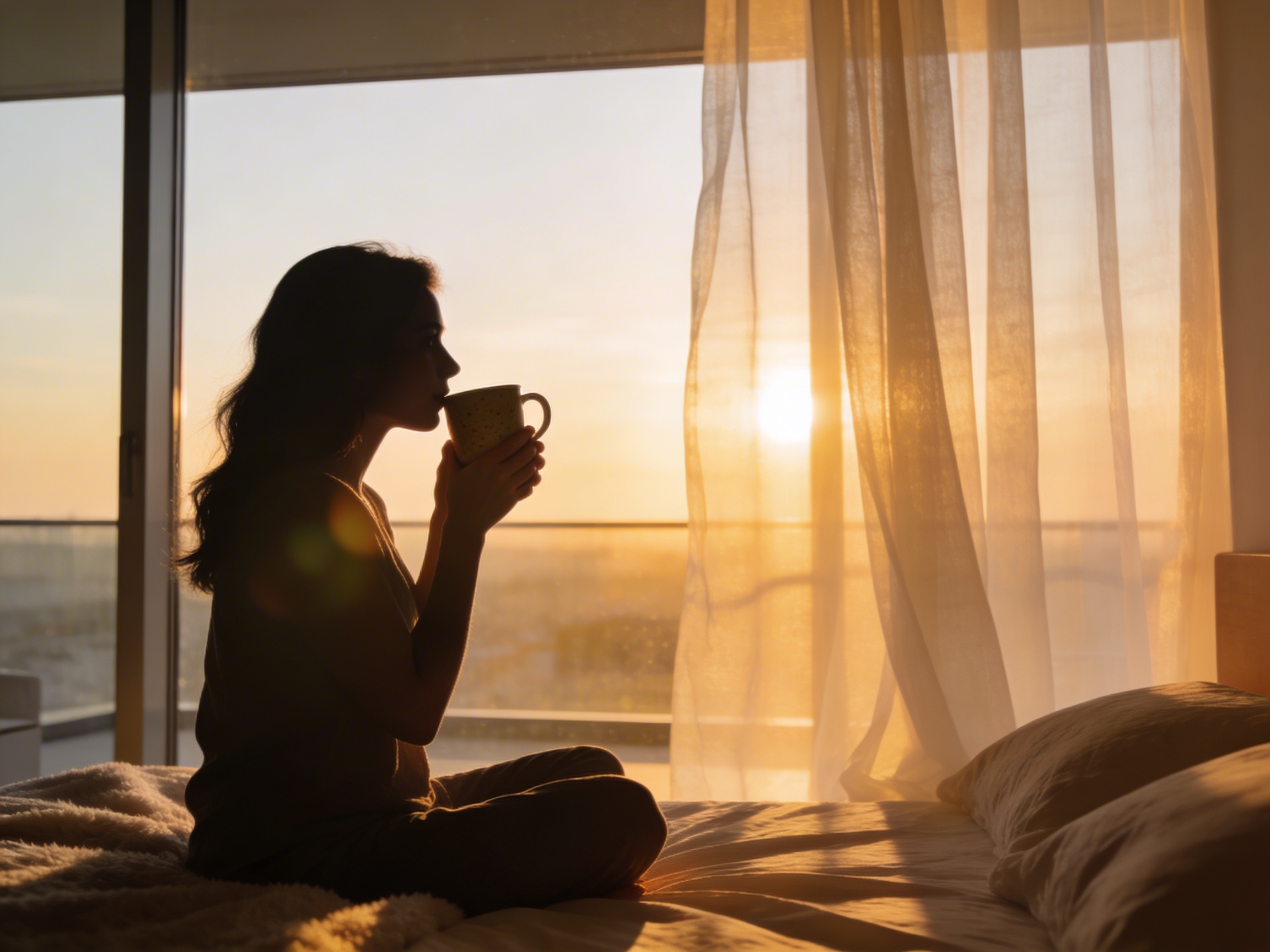

There is a pharmacy inside every window. Natural light, delivered in the right quantities at the right times of day, triggers a cascade of biological processes so fundamental to human health that researchers studying longevity, metabolic function, immune response, and mental health keep arriving at the same variable — light exposure, and the circadian rhythm it governs. The opportunity for most people is that the home is the most controllable light environment in their lives, and designing it with intention produces effects that are both measurable and often noticed remarkably quickly.
The circadian rhythm is not simply a sleep schedule. It is the master regulatory system that coordinates the timing of virtually every physiological process in the body — hormone production, immune activity, cellular repair, digestion, cardiovascular function, and cognitive performance all operate on circadian timing. The system is anchored by light, specifically by the presence of blue-spectrum wavelengths in the morning that signal the brain to suppress melatonin, elevate cortisol, and begin the biological day. In the evening, as blue light naturally diminishes from the environment, the process reverses — cortisol drops, melatonin rises, core body temperature falls, and the body prepares for the restorative processes that only occur during sleep. This rhythm evolved over hundreds of thousands of years in response to a light environment that was entirely consistent — bright and blue-rich in the day, warm and dim at dusk, and dark at night.
The modern home delivers a different light environment than the one the circadian system was designed around — and understanding that difference is the foundation of designing a home that genuinely supports the body’s natural rhythms. Most people wake to artificial light that does not contain sufficient blue spectrum to properly trigger the cortisol awakening response that sets the biological clock for the entire day. They spend their working hours in interiors lit at fractions of the intensity their circadian system requires to remain properly calibrated. And then, in the hours when the body is preparing for sleep, they are surrounded by the blue-rich light of overhead fixtures, screens, and devices that signals to the brain that it is still midday.
The downstream effects of chronic circadian disruption extend well beyond fatigue. Research has connected disrupted circadian rhythms to impaired immune function, increased inflammatory markers, insulin resistance, weight changes, elevated cortisol, mood dysregulation, and accelerated cellular aging. The immune system conducts much of its most important work during specific nighttime windows that depend on melatonin signaling to occur properly. Supporting those windows through thoughtful evening light design is one of the most accessible and impactful home health interventions available.
Children are particularly responsive to the effects of artificial light at night because their melatonin production is more sensitive to blue-spectrum light suppression than adults, and because sleep architecture during childhood is directly linked to growth hormone secretion, neurological development, and immune system maturation. Thoughtful light design in children’s rooms and in the family’s evening environment is one of the most supportive things a home can do for a child’s developing biology.
Designing a home for circadian health begins with understanding that light has a temperature, measured in Kelvin, that corresponds to its biological effect. Daylight ranges from approximately 5000 to 6500 Kelvin — blue-rich, alerting, appropriate for morning and midday exposure. Warm light ranges from 2700 to 3000 Kelvin — amber-toned, melatonin-preserving, appropriate for evening hours. A biologically informed home uses higher Kelvin lighting in the spaces and times when alertness is the goal, and transitions to lower Kelvin, lower intensity light in the hours before sleep. Installing dimmer switches on overhead fixtures, replacing bedroom and living area bulbs with warm-spectrum options, and establishing a consistent practice of lowering light intensity in the hours before sleep are changes that cost very little and produce effects on sleep quality and morning energy that most people notice within the first week.
Natural light remains irreplaceable, and no artificial system fully substitutes for it. The intensity of outdoor light even on an overcast day significantly exceeds what any residential lighting system delivers indoors. Morning light exposure within the first hour of waking — ideally outdoors or through unfiltered glass — is the single most powerful circadian anchor available. Designing a home that maximizes natural light penetration, removes light-blocking window treatments during daytime hours, and creates inviting access to outdoor spaces in the morning is a health decision as much as it is an architectural one.
The home you wake in and spend your hours inside is delivering a light prescription to your body whether you have chosen it intentionally or not. Choosing it intentionally is one of the simplest and most impactful ways to support the hormonal, immune, and neurological processes that determine how you feel, how you age, and how well your body is able to restore itself each night.
Light is not a background condition. It is a biological input. And your home controls the dose.
Health Begins at Home.
Weekly research-backed insights at the intersection of your home and your health. No noise. No filler. Just the conversation your health has been waiting for.
[Newsletter signup form — coming soon]