

LIGHT & CIRCADIAN HEALTH · House Remedy
The human body was designed for seasonal variability in light. For most of evolutionary history, the length of the day, the angle of the sun, and the spectral quality of available light changed dramatically across the year — and the body adapted to those changes through biological mechanisms that still operate in every human being alive today. Longer days and higher-intensity summer light drive higher serotonin production, elevated mood and energy, and metabolic processes calibrated for abundance and activity. Shorter days and lower-intensity winter light trigger biological shifts toward conservation, rest, and the deeper sleep that longer nights provide. These are not dysfunctions to be overcome. They are features of human biology that a well-designed home can support rather than suppress.
The problem is that modern indoor living has largely decoupled the body from its seasonal light environment. Central heating allows us to maintain the same indoor temperature regardless of season. Electric lighting allows us to maintain the same indoor light environment regardless of how much natural light is available outside. Climate-controlled environments minimize the thermal variability that once signaled seasonal transitions to the body’s regulatory systems. The result, for a significant proportion of the population, is a body whose seasonal biology is neither properly supported in winter nor properly expressed in summer — contributing to the mood disruption, sleep changes, and metabolic shifts that many people experience seasonally but rarely connect to the light environment as a designable variable.
What the Workspace Does to the Body
Seasonal Affective Disorder — the clinical presentation of significant mood disruption in response to reduced winter light — affects an estimated 10 million Americans, with a much larger number experiencing subclinical seasonal mood changes that do not meet the diagnostic threshold but meaningfully affect daily function and quality of life. The mechanism is well-established: reduced winter light exposure delays the circadian clock, suppresses serotonin production, elevates melatonin secretion into the daytime hours, and disrupts the hormonal balance between alerting and restoring systems. Light therapy — exposure to a full-spectrum light source of 10,000 lux for 20 to 30 minutes in the morning — is the most evidence-based non-pharmacological treatment for seasonal mood disruption, with research support comparable to antidepressant medication for mild to moderate cases.
The Design Principles
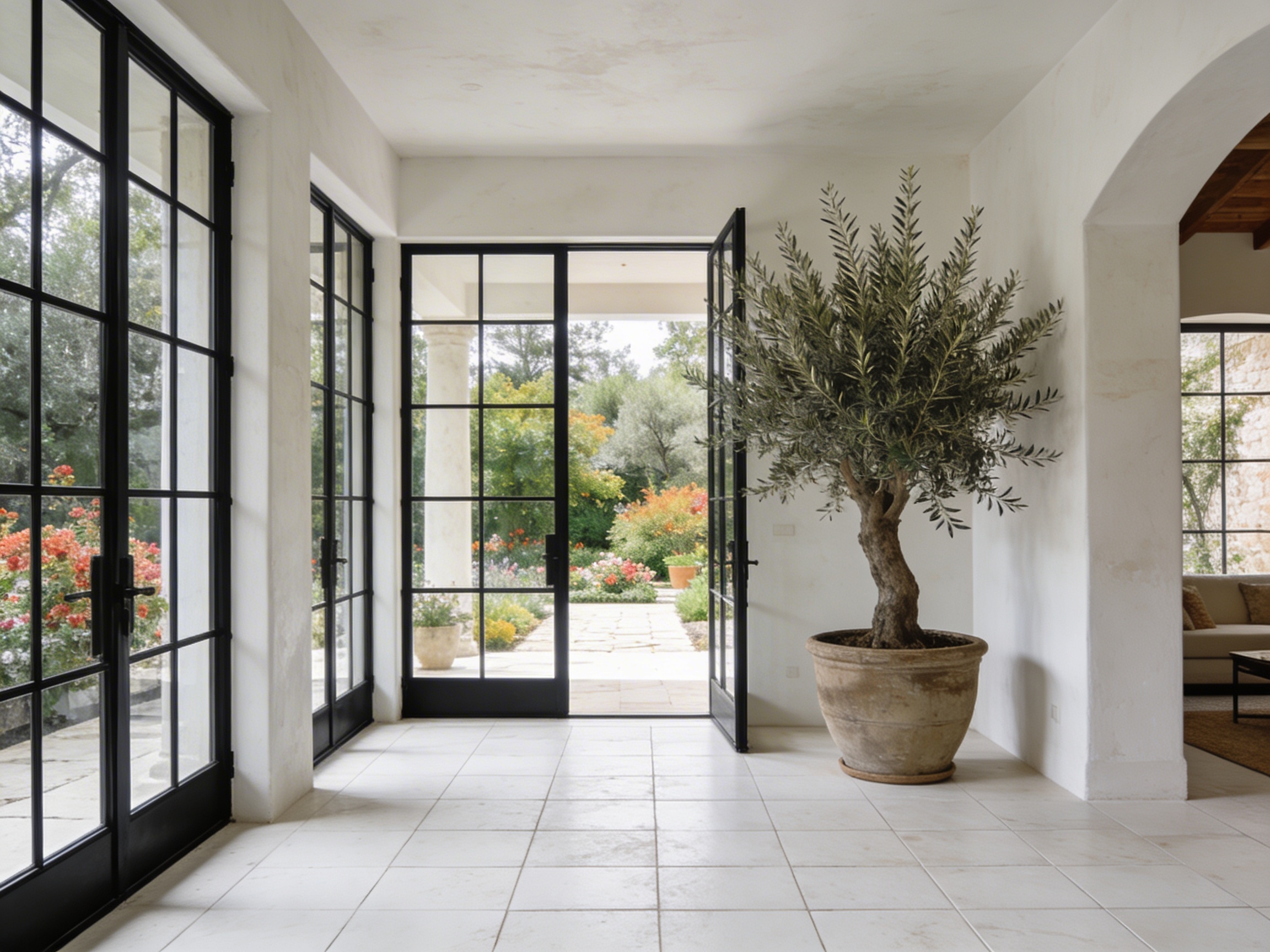
For home design the seasonal light conversation has implications that extend across every room and every season. In winter the priority is maximizing natural light penetration during the limited daylight hours available — through window placement that captures low winter sun angles, the removal of heavy window treatments during the day, and the use of interior surfaces and mirror placement that reflect and distribute whatever natural light enters the space. A light therapy lamp positioned at the breakfast table and used consistently during the morning meal is one of the most practical seasonal interventions available, requiring no additional effort beyond the activity already happening in that space.
Making It Work at Home
In summer the design priorities shift. The challenge is managing the intensity and duration of light exposure in ways that support the body’s appropriate summer biology without creating the light pollution that disrupts sleep in the long summer evenings. Exterior shading — awnings, overhangs, exterior shutters — reduces solar heat gain and interior light intensity during the hottest and brightest midday hours without blocking the morning and evening light that supports circadian anchoring. Interior window films that reduce UV and visible light transmission without significantly altering the spectral quality of the light are another option for rooms that receive direct sun exposure during the hours when intensity needs to be moderated. And the management of artificial light in the evening hours is even more important in summer, when the late sunset can delay melatonin onset if indoor lighting reinforces the body’s perception that the day is still ongoing.
The transitional seasons — spring and autumn — are the periods when the body’s circadian biology is most actively recalibrating to changing day length, and supporting that recalibration through consistent morning light exposure and appropriate evening light management helps the transition proceed smoothly rather than creating the fatigue and mood disruption that many people experience as the seasons change.
A home designed for seasonal light is a home that works with the full range of the body’s biological rhythms rather than against them — one that honors the body’s ancient relationship with the sun’s annual cycle as part of the same commitment to environmental health that informs every other design decision. The seasons are not obstacles to wellness. They are the rhythm within which wellness unfolds.
Health Begins at Home.
Weekly research-backed insights at the intersection of your home and your health. No noise. No filler. Just the conversation your health has been waiting for.
Where to start
- Start small. Pick one actionable tip from this article and apply it this week before moving on to others.
- Audit your current setup. Take stock of what you already have at home that aligns or conflicts with the principles covered here.
- Make one change at a time. Sustainable improvements come from consistent small steps rather than sweeping overhauls.
[Newsletter signup form — coming soon]
What changes have you made to improve your sleep environment at home?